




Oct 24, 2025
How to Get Rid of Dandruff Permanently
Struggling with flakes? Learn how to get rid of dandruff permanently with expert dandruff treatment, causes, home remedies, and professional scalp solutions for a healthy, itch-free scalp.
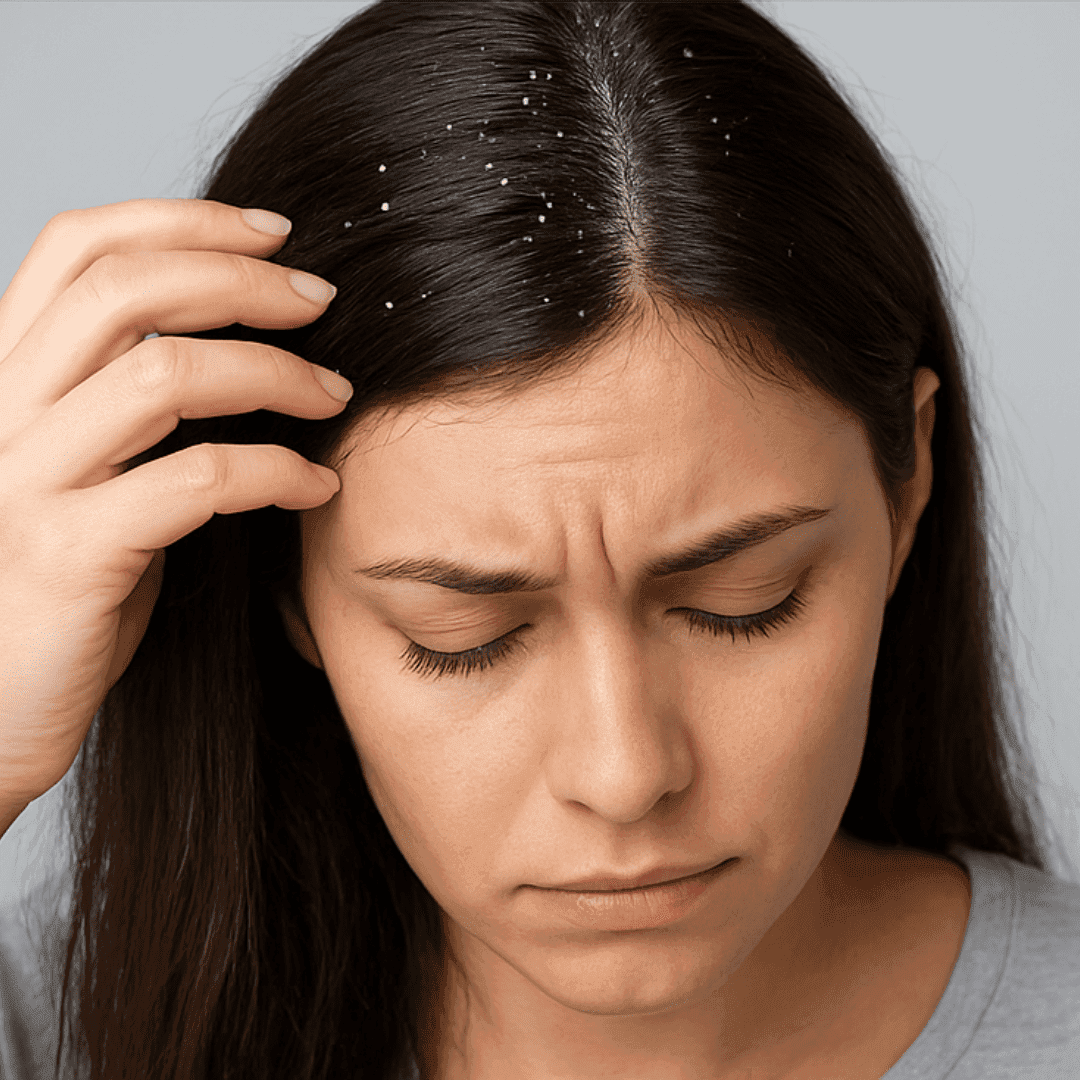
Dandruff isn’t just a cosmetic issue—it’s a scalp condition triggered by an overgrowth of yeast-like fungi, oil buildup, or skin sensitivity. It leads to itching, flaking, and sometimes inflammation. Many people think it’s caused by poor hygiene, but that’s not the full story.
In most cases, dandruff stems from seborrheic dermatitis, a common condition where your scalp produces too much oil. This creates the perfect environment for Malassezia, a fungus that naturally lives on the scalp, to multiply excessively.
Environmental stress, hormonal changes, and even your diet can make dandruff worse — which is why a one-size-fits-all shampoo rarely delivers lasting results.
Dry Scalp vs. Dandruff — What’s the Difference?
A dry scalp causes small, white flakes due to a lack of moisture. Dandruff, on the other hand, produces oily, yellowish flakes and itching caused by excessive oil and fungal growth.
Knowing the difference helps determine the right treatment — dry scalp may improve with hydration, while dandruff often needs antifungal care or professional intervention.
Common Triggers of Dandruff Flare-Ups
- Stress and Hormonal Imbalance – Both increase oil production.Harsh Hair Products – Sulfates and alcohol dry out the scalp.Poor Diet – Low zinc or vitamin B levels can worsen dandruff.Cold Weather – Low humidity strips natural scalp moisture.
- Can dandruff be cured permanently?
Dandruff can be controlled long-term and, in many cases, eliminated with the right treatment. However, since it is often caused by scalp oil, fungus, or skin conditions, it may return if proper scalp care is not maintained. Using medicated shampoos, maintaining hygiene, and treating underlying causes can keep dandruff away permanently.
- What is the main cause of dandruff?
The most common cause is a yeast-like fungus (Malassezia) that feeds on scalp oil. Other causes include dry skin, oily scalp, poor hair hygiene, stress, weather changes, and sensitivity to hair products. Identifying the root cause is essential for choosing the right dandruff treatment.
- How long does it take to get rid of dandruff permanently?
Mild dandruff can improve within 2–3 weeks with proper anti-dandruff shampoo use. Moderate to severe dandruff may take 4–8 weeks or longer, especially if medical treatment is needed. Consistency is key to achieving long-lasting results.
- Which is the best treatment for severe dandruff?
Severe dandruff often requires medicated shampoos containing ingredients like ketoconazole, zinc pyrithione, or selenium sulfide. In stubborn cases, dermatologists may recommend prescription treatments or professional scalp therapies to eliminate flakes and itching effectively.
- Are home remedies effective for dandruff removal?
Home remedies like coconut oil, aloe vera, tea tree oil, and lemon can help mild dandruff by soothing the scalp and reducing dryness. However, they may not be sufficient for chronic or fungal dandruff, which usually needs medical treatment.
- Can dandruff cause hair loss?
Yes, severe or untreated dandruff can lead to hair fall. Constant itching and inflammation weaken hair roots, causing increased shedding. Treating dandruff early helps prevent scalp damage and hair thinning.
- How often should I wash my hair to prevent dandruff?
For dandruff-prone scalps, washing hair 2–3 times per week is generally recommended. Those with oily scalps may benefit from more frequent washing using a suitable anti-dandruff shampoo to prevent oil buildup and fungal growth.
- Is dandruff caused by dry scalp or oily scalp?
Both can cause dandruff. Dry scalp dandruff appears as small, dry flakes, while oily dandruff tends to produce larger, yellowish flakes and itching. Proper diagnosis helps in selecting the correct treatment approach.
- When should I see a doctor for dandruff?
You should consult a dermatologist if dandruff is severe, persistent, spreads to eyebrows or beard area, causes redness or pain, or does not improve with over-the-counter products. This could indicate conditions like seborrheic dermatitis or psoriasis.
- What lifestyle changes help prevent dandruff permanently?
Maintaining scalp hygiene, reducing stress, eating a balanced diet, avoiding excessive oil buildup, and using suitable hair products can significantly reduce dandruff recurrence. Regular scalp care plays a major role in long-term prevention.